Executive Summary (The ‘So What?’)
The financial markets are currently at a critical inflection point where capital, previously concentrated in AI infrastructure (hardware), is rotating into undervalued software sectors. Here are three key insights reshaping the industry landscape:
- Overreaction to ‘SaaS-pocalypse’: Fear that AI will replace software led to excessive market sell-offs. However, leading AI entities like OpenAI are increasingly collaborating with established platforms (e.g., Trade Desk, Expedia), effectively debunking the displacement theory.
- Unprecedented Insider Buying: Aggressive stock purchases by insiders at major firms—including Microsoft (largest in 10 years) and The Trade Desk (record-breaking scale)—serve as a powerful “bottoming signal,” suggesting current prices are detached from fundamental value.
- Sector Rotation & Leading Indicators: As hardware (semiconductors, power) enters a temporary consolidation phase, software leaders like Netflix are spearheading the rebound. This signals a leadership shift toward ‘AI Applications and Services’ for the latter half of the year.
Key Argument & Speaker’s Vision
The core thesis of this analysis is that “AI is not a destroyer of software leaders, but a catalyst that strengthens moats and expands the market pie.” While the market sold off in fear of disruptive innovation, corporate insiders and strategists view this as a ‘once-in-a-lifetime opportunity.’
“Wall Street’s ‘Software Crisis’ narrative is fundamentally flawed. I am proving my conviction by putting $150 million of my own capital into this game—true skin in the game.” — Jeff Green, Founder of The Trade Desk
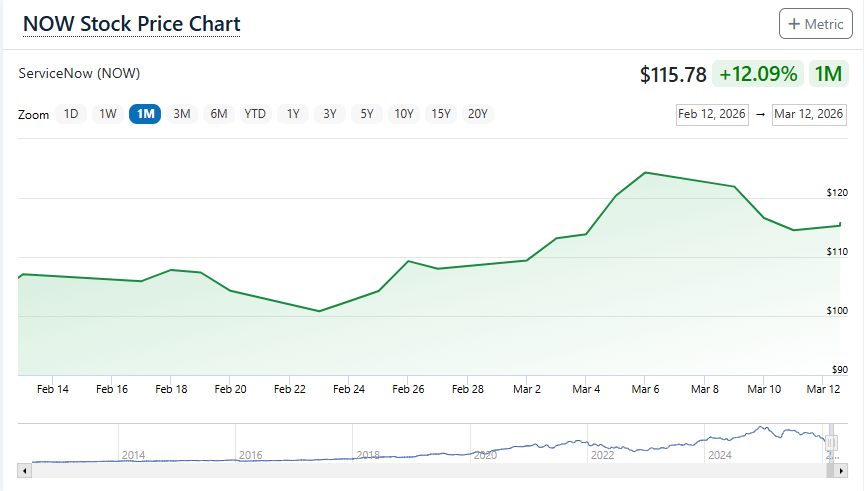
“This price collapse is the opportunity of a lifetime. The stock is so abnormally cheap that we have canceled all executive automated sell plans.” — Bill McDermott, Chairman & CEO of ServiceNow
Technical Granularity & Evidence
A precise analysis of market drawdowns, insider buying volumes, and key corporate metrics.
1. Market Correction vs. Insider Buying by Company
| Company | Drop from Peak | Insider Buying Scale & Notable Remarks |
| Microsoft (MSFT) | ~30% | ~$2M inflow, the largest insider purchase in 10 years. |
| ServiceNow (NOW) | ~50% | CEO Bill McDermott purchased ~$3M directly; canceled all exec sell plans. |
| The Trade Desk (TTD) | ~80% | Founder Jeff Green invested $150M of personal funds; record-scale buy. |
| Oracle (ORCL) | ~50% | Citrini Research flipped bullish; set price target at $155. |
| Adobe (ADBE) | Capitulation | Michael Burry (Big Short) disclosed a significant “buy the dip” position. |
2. Scalability & Collaboration Metrics
- OpenAI Partnership: OpenAI’s decision to utilize The Trade Desk’s platform for its own ad placements proves that AI services with massive user bases (900M+) will become customers of existing ad platforms, not competitors.
- Online Travel Agencies (OTA): Contrary to fears that AI would bypass booking sites, Expedia and Booking Holdings are rebounding as AI models shift toward a collaborative role—directing users to these platforms rather than replacing them.
Thematic Breakdown
1. From Hardware to Software: Act II of the AI Era
If the previous cycle was dominated by AI infrastructure (chips, fiber optics, power), we are now entering the revaluation phase for the software running on that infrastructure. The extreme valuation gap between hardware and software is expected to narrow, fueled by insider accumulation.
2. Realigning Ad-Tech & B2B Ecosystems
Platform leaders like The Trade Desk are maximizing ad efficiency through AI. While smaller firms may struggle with increased competition, the “moats” of industry leaders—built on decades of data and trust—are becoming more impenetrable.
3. Sovereign AI & Defense Software
Palantir serves as a prime example of software scalability extending into national security.
- Revenue Structure: Strong foundation built on allies, including the US (66%) and UK (11%).
- Japan Expansion: The meeting between Peter Thiel and Japanese officials signals a “Sovereign AI” partnership rooted in US-Japan security cooperation, elevating software from a simple SaaS product to a monopolistic defense asset.
4. Convergence of Crypto & Institutional Finance
Crypto-linked stocks (e.g., Coinbase) are seeking a rebound as political uncertainty clears. High-level meetings between industry leaders and policymakers suggest that crypto is being integrated into the mainstream US financial system, adding bullish sentiment to the broader platform sector.
Strategic Implications
- Redistribution of Supply Chain Profits: As the rally in hardware slows, sidelined sectors—Cybersecurity, Platforms, and Ad-Tech—will find room to breathe. Now is the time to consider increasing software weight for portfolio diversification.
- Netflix as a Leading Indicator: Historically, rebounds in Netflix and other consumer software have preceded rallies in Big Tech. The current strength in Netflix and Spotify likely foreshadows a broader sector rally starting in Q2 or the second half of the year.
- The End of AI Fear, The Start of Earnings Reality: The market is moving past “fear-driven” selling toward “earnings-driven” growth. Companies capable of translating AI into actual cash flow (e.g., Adobe’s M&A capability) will lead. Massive insider buying is the strongest leading indicator of this impending earnings recovery.
“Not a recommendation, just a shared strategic outlook. These are my personal reflections for collaborative study. Trade at your own discretion, share your unique views, and let’s grow together.”
Leave a Reply