Epic Fury’: An S&P 500
1. Introduction: Artillery on the Eve of ‘Purim’—Why the Markets Panicked
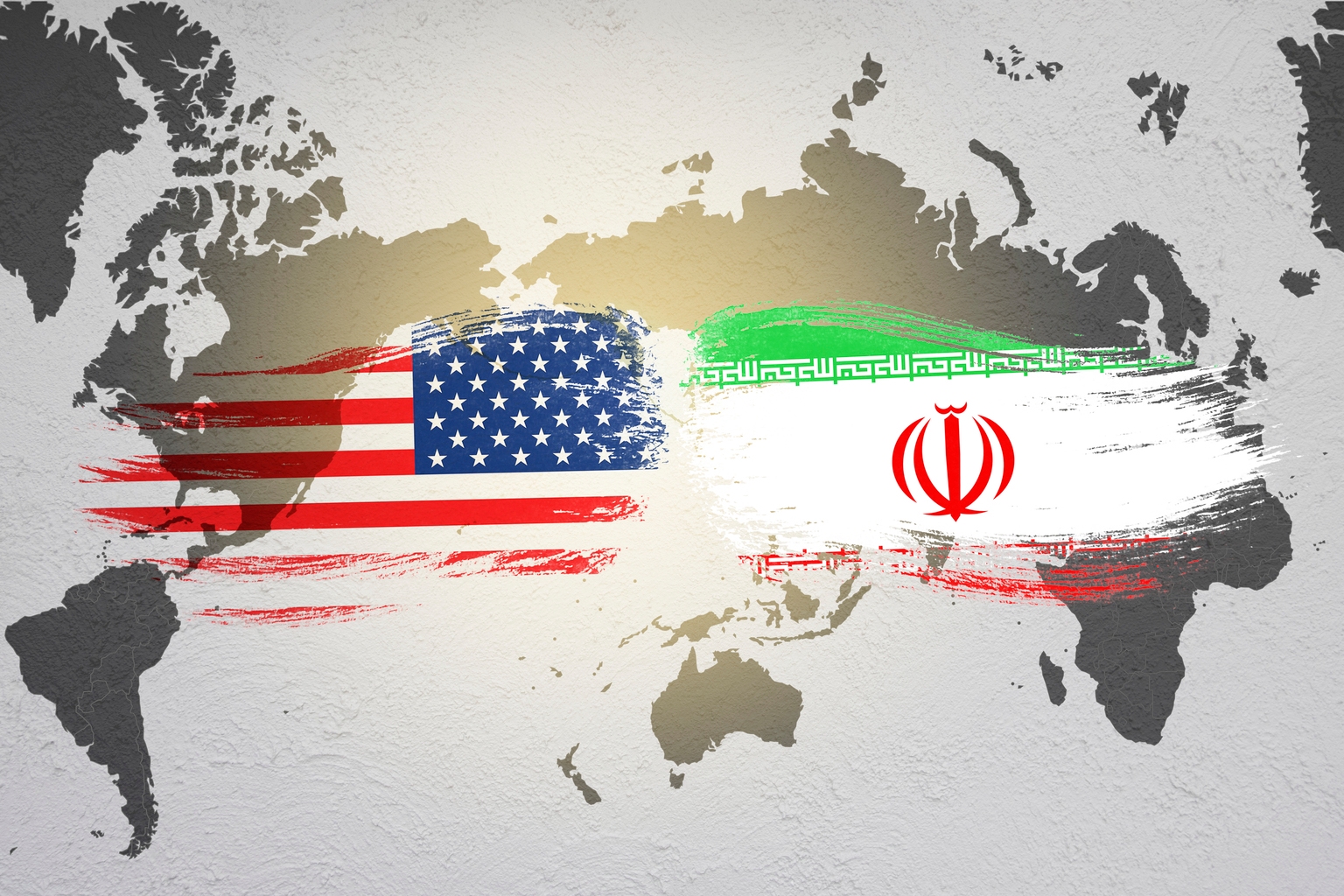
The Middle Eastern horizon is stained crimson once again. This is no mere skirmish; Israel and the United States have launched a full-scale preemptive strike on key Iranian strongholds, including Tehran. Israel has dubbed the mission “Shield of Judah,” while the Pentagon refers to it as “Operation Epic Fury.”
The timing is surgical. The operation commenced just before Purim, a symbolic Jewish holiday celebrating the prevention of an ancient Persian plot to annihilate the Jewish people. By launching strikes over Tehran today, Israel signals a defiant historical resonance. Currently, Tehran’s communication networks are paralyzed; while Supreme Leader Khamenei has reportedly evacuated, his status remains unconfirmed.
For investors, a spike in heart rate and the urge to panic-sell are primal instincts. However, the victors of Wall Street look past the carnage to the “flow of capital.” This chaos is the byproduct of a meticulously calculated strategy. We must look beyond this “Tension Hook” to grasp the reality of the underlying data.
2. The Flip Side of Geopolitical ‘Surgical Strikes’: An Economic Death Sentence for China
‘Epic Fury’ is fundamentally different from past operations like ‘Midnight Hammer,’ which focused solely on nuclear facilities. This is a large-scale combat operation aimed at neutralizing the Islamic Revolutionary Guard Corps (IRGC) and destabilizing the regime. Ultimately, it is an economic war piercing China’s Achilles’ heel.
The Trump administration’s strategic objectives are clear:
- Severing China’s Energy Lifeline: Over 80% of Iranian oil (upwards of 1 million barrels per day) flows to China. Specifically, China’s independent ‘Teapot’ refineries have maintained margins by sourcing Iranian crude at a discount of $8–$10 per barrel. This supply structure is now on the brink of collapse.
- Economic Encirclement: Trump has already signed executive orders imposing 25% tariffs on nations trading with Iran, and the Treasury has sanctioned over 80% of Iran’s oil tanker fleet.
- The 100-Million-Barrel Blockade: By preventing Iran’s 100-million-barrel stockpile from entering the market, the U.S. aims to drive up manufacturing costs for China while reshaping the Middle East into a pro-Western order.
Ultimately, this is a display of “American Might” ahead of the November midterms and a sophisticated economic lever to excise Chinese influence from the global supply chain.

3. Historical Data on Crises: S&P 500 Resilience and the ‘Palantir’ Variable
Markets exhibit consistent patterns during geopolitical risks. Observe the cold reality through LPL Research’s ‘Geopolitical Crisis Dashboard,’ which analyzed 24 major events since WWII.
[Geopolitical Crisis Market Reaction Dashboard]
| Category | S&P 500 Avg. Change | Analysis & Insights |
| Day 1 of Crisis | -1.1% | Zone of temporary shock and overreaction |
| Avg. Total Drawdown | -4.7% | Individual stocks exposed to 10–20% volatility |
| Time to Bottom | 19 Days | A 3-week period to digest uncertainty |
| Full Recovery Time | 42 Days | Return to pre-crisis levels |
Expert Perspective: Modern crisis management has accelerated market recovery. The U.S. military is currently utilizing Palantir’s AI military simulations to calculate every permutation and control uncertainty. This suggests a lower probability of unexpected variables dragging the market into a prolonged recession compared to the past.
Sector Analysis: While Big Tech (Nvidia, Microsoft, etc.) may face short-term corrections due to rising energy costs, their massive cash reserves will ensure they emerge as the ‘ultimate survivors.’ Conversely, Defense and Energy sectors (Lockheed Martin, ExxonMobil) will immediately absorb the risk premium.
4. Three Scenarios and Portfolio Response Guide
Scenario 1: Surgical Strike Followed by Diplomatic Resolution (High Probability)
- Context: Symbolic retaliation by Iran after military objectives are met, followed by diplomatic de-escalation (e.g., nuclear inspections).
- Market Outlook: Temporary oil spike followed by stabilization; S&P 500 correction within 5% followed by early recovery.
- Action Plan: Hold and accumulate blue-chip tech. Do not let market ‘noise’ disrupt your core portfolio.
Scenario 2: Escalation and Closure of the Strait of Hormuz (Worst-Case)
- Context: Iran blocks the strait, cutting off supply from Saudi Arabia, the UAE, and Iraq. Oil surges past $100.
- Market Outlook: Global inflation reignites; GDP growth slows. S&P 500 correction exceeds 10%.
- Action Plan: Overweight Defense and Energy sectors. Trim growth stocks and rotate into cash or high-dividend ETFs (e.g., SCHD). Remember: Big Tech fundamentals remain intact.
Scenario 3: Sudden Regime Change and Relief Rally (Best-Case)
- Context: Movement toward a pro-Western government or a comprehensive new nuclear deal.
- Market Outlook: Risk premiums vanish instantly; oil prices crash; Nasdaq challenges all-time highs.
- Action Plan: Aggressive buying. Pre-empt strong rebounds in AI-related stocks and high-risk assets like Bitcoin.
5. Strategic Bottom Line: Capital Feeds on Fear

Success in investing is determined not by the volume of information, but by the “mechanization of response.” Etch these three execution rules into your mind:
- Avoid Panic Selling: Historical data proves a recovery within 42 days. For long-term investors (3–5 years), do not make the mistake of shaking your entire portfolio due to a week of noise.
- Stop Monitoring the News and Sleep: Real-time news only amplifies fear. While experts run simulations, the best strategy for an investor is to maintain composure.
- Set Mechanical Buying Criteria: Establish clear guidelines, such as “Deploy 30% of cash if the S&P 500 drops 5% from its peak.”
Capital always grows by feeding on fear. Current volatility is an inevitable process of wealth redistribution. For those prepared, this crisis is a massive opportunity for asset restructuring.
“Doing nothing in the market on Monday is a strategy in itself. Historically, panic selling on the first day of a geopolitical shock has always been followed by regret.”
[Conclusion]
This Iran-Israel conflict is more than a dispute; it is a high-level strategic event combining global energy shifts and economic pressure on China. If you trust historical recovery statistics and AI-driven risk management, current fears are a golden opportunity to accumulate quality assets at a discount.
“Not a recommendation, just a shared strategic outlook. These are my personal reflections for collaborative study. Trade at your own discretion, share your unique views, and let’s grow together.”
Leave a Reply