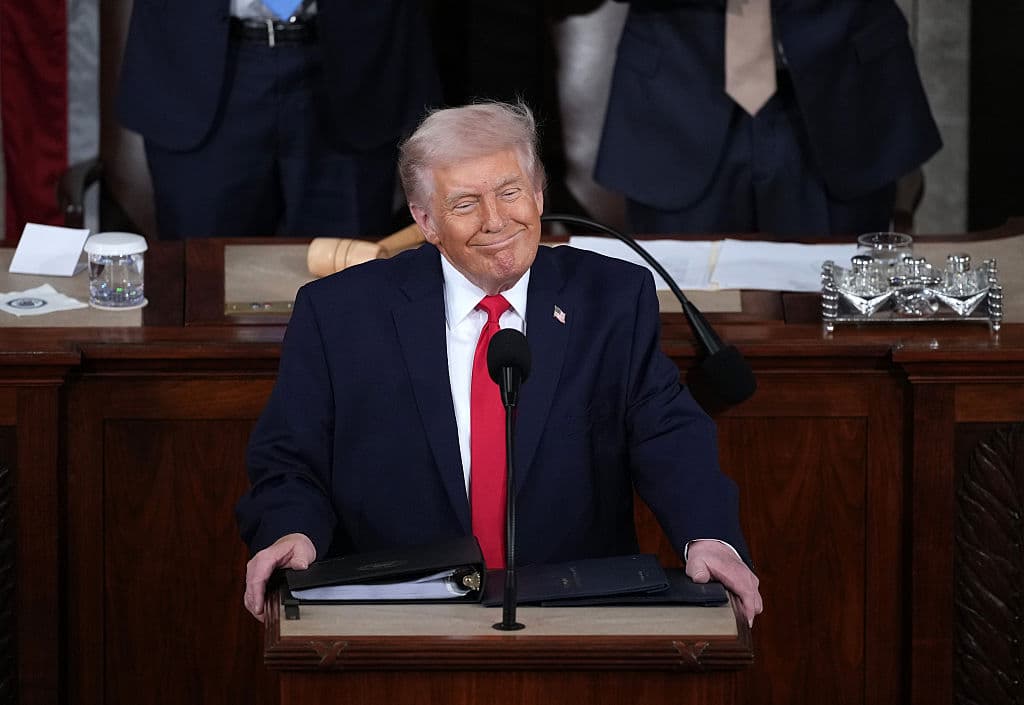
1. Introduction: The 2026 Midterms and the “Affordability” Survival Kit
Heading into the November midterms, the Trump camp has a new favorite word: “Affordability.” Don’t be fooled—this isn’t just about a dip in CPI numbers. It’s a high-stakes political equation involving job quality, purchasing power, and the crushing cost of keeping a roof over one’s head.
Look at Zohran Mamdani’s shockwave in New York. When voters can’t afford groceries after paying “murderous” rent, their anger hits a breaking point. For Trump, affordability isn’t just an econ-class buzzword; it’s a tactical weapon designed to win back a restless base. The question is: how will this political pivot shatter the traditional rulebook of the asset market?
2. The “Weaker Dollar” Paradox: The Rise of the Rest
Treasury Secretary pick Scott Bessent isn’t looking for a “Weak” dollar; he wants a “Weaker” dollar. This isn’t about American decline—it’s about “relative calibration.” The goal? Keep US fundamentals rock-solid while forcing trading partners to absorb stronger growth and higher currency values. In short: passing the trade deficit bill to someone else.
History loves a remix. In the 1985 Plaza Accord, the US forced the Japanese Yen to skyrocket, turning Japan into a giant “Buyer” of American goods. Japan swallowed the bubble, and the US cleared its debts to fuel the 90s boom. Trump is setting the stage for a similar “Refreshed” demand axis.
- The Mechanism: By tolerating a stronger Euro (and pushing Europe to spend more on defense), the US aims to shift global demand. As the dollar softens relatively, capital will start migrating from crowded US trades to undervalued assets abroad.
- The Play: This isn’t just talk; it’s a catalyst for revaluing European equities and manufacturing-heavy emerging market bonds.
3. AI vs. Inflation: Is the “New Greenspan” Era Here?
How can Trump demand aggressive rate cuts while inflation still looms? Enter Kevin Warsh and the “AI Productivity Miracle.” The plan is to resurrect the 1990s “Maestro” era, where Alan Greenspan used the Internet Revolution to deliver the “Goldilocks” economy—high growth, low inflation.
When productivity skyrockets, the old “growth causes inflation” rule breaks. AI is the new “inflation watchdog.”
| Prerequisite | The Productivity Mechanism | Impact |
| Unit Cost Destruction | Shifting from 10 units/1,000 USD to 100 units/1,000 USD via AI/Robotics | Unit cost drops 90%, preserving margins |
| Supply Chain Intelligence | AI-driven logistics and easing US-China tensions to slash import costs | Lower distribution costs lead to a “soft landing” for core inflation |
| The Virtuous Cycle | Lower costs → Higher demand → Capex/Hiring surge → Real wage growth | High growth without the inflationary hangover |
AI infrastructure will be the engine, while traditional manufacturing will see a “margin explosion” through radical cost-cutting.
4. Risk Scenario: What if the Robot Fails? (Plan B)
True risk management begins where optimism ends. If AI implementation lags or supply chains choke again, the Trump administration won’t just sit back. They’ll likely pivot to aggressive, anti-market price controls to save the “Affordability” narrative.
- The Geopolitical Gamble: We might see a “handshake with the devil”—partnering with Venezuela’s Maduro to flood the market with oil. This would be a wrecking ball for traditional commodity price floors.
- Anti-Market Housing Policy: Expect radical moves like banning institutional investors from buying homes or direct intervention in rent prices. Even tariffs could be weaponized—dropping to zero for “essential goods” to keep the voters happy.
For the cynical realist, “Plan B” introduces extreme policy volatility. Risk management starts when the “miracle” narrative cracks.
5. Conclusion: Rebalancing Before the Storm
The “Affordability” wave is remapping the financial world. For CEO-level investors, the pre-election checklist is clear:
- Trim US Tech, Move to “The Makers”: Take profits from over-hyped US tech. Pivot to manufacturing hubs (SE Asia, Mexico) that will absorb US consumption in a “Weaker Dollar” world.
- Hard Assets as Insurance: Between government-forced energy drops and dollar volatility, Gold remains a non-negotiable hedge.
- Keep Strategic Dry Powder: Policy swings create “fire sales.” Keep enough cash to strike when the market panics over the latest “Plan B” headline.
In the world of Trump 2.0, survival belongs to the flexible. Don’t just bet on the miracle; prepare for the pivot.
“Not a recommendation, just a shared strategic outlook. These are my personal reflections for collaborative study. Trade at your own discretion, share your unique views, and let’s grow together.”
Leave a Reply